What Shouldn’t Go Down a Garbage Disposal?
A garbage disposal makes kitchen cleanup easier, but it isn’t designed to handle everything that ends up in the sink.
Some foods can wrap around the disposal components, create stubborn clogs or build up farther down the drain. Others are simply too hard for the unit to process safely.
Knowing what to keep out of your disposal can help prevent unnecessary plumbing problems.
Grease, Oil and Fat
Grease may be liquid when it is hot, but it can cool and solidify inside your drain.
Over time, grease and cooking oils can coat the inside of the piping and trap other food particles, contributing to slow drains and clogs.
Instead of pouring grease down the sink, allow it to cool and dispose of it in the trash.
Bones and Hard Food Scraps
Garbage disposals are designed for small food scraps, not hard items such as bones.
Large or dense materials can jam the disposal or place unnecessary strain on the motor and internal components.
The same principle applies to hard fruit pits and similar items. If it would be difficult to break apart by hand, it probably doesn’t belong in the disposal.
Fibrous Vegetables
Foods such as celery, asparagus and corn husks contain long, stringy fibers.
Those fibers can become wrapped around parts of the disposal instead of breaking down cleanly.
A few small pieces may not cause an immediate problem, but regularly putting fibrous foods through the disposal can increase the chance of a jam.
Coffee Grounds
Coffee grounds may appear harmless because they are already finely ground.
The problem is what can happen after they enter the drain. Grounds can accumulate with grease and other material and contribute to a thick buildup inside the piping.
Putting them in the trash or compost is generally a better option.
Eggshells
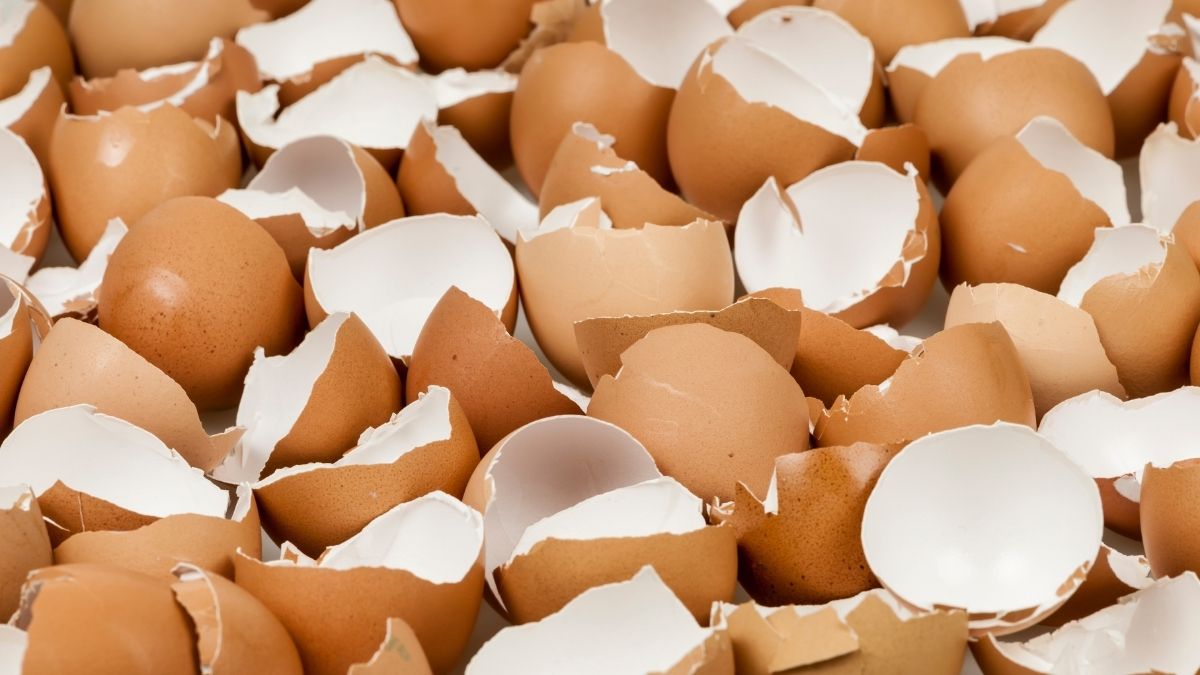
Eggshells are another item that can contribute to debris inside the disposal and drain.
Rather than using the disposal as a place to discard shells, put them in the trash or compost with other food waste.
Pasta, Rice and Other Starchy Foods
Foods that absorb water can continue expanding after they enter the drain.
Large amounts of pasta, rice and similar foods can turn into a thick mixture that does not move easily through the plumbing.
Small scraps are one thing. Scraping a plateful of leftover pasta into the disposal is another.
Use the Disposal for Small Food Scraps
The simplest rule is to treat your garbage disposal as a convenience for small amounts of food left behind during normal kitchen cleanup, not as a substitute for the trash can.
Run water while the disposal is operating and avoid forcing large quantities of food through it at once.
When a Garbage Disposal Needs Attention
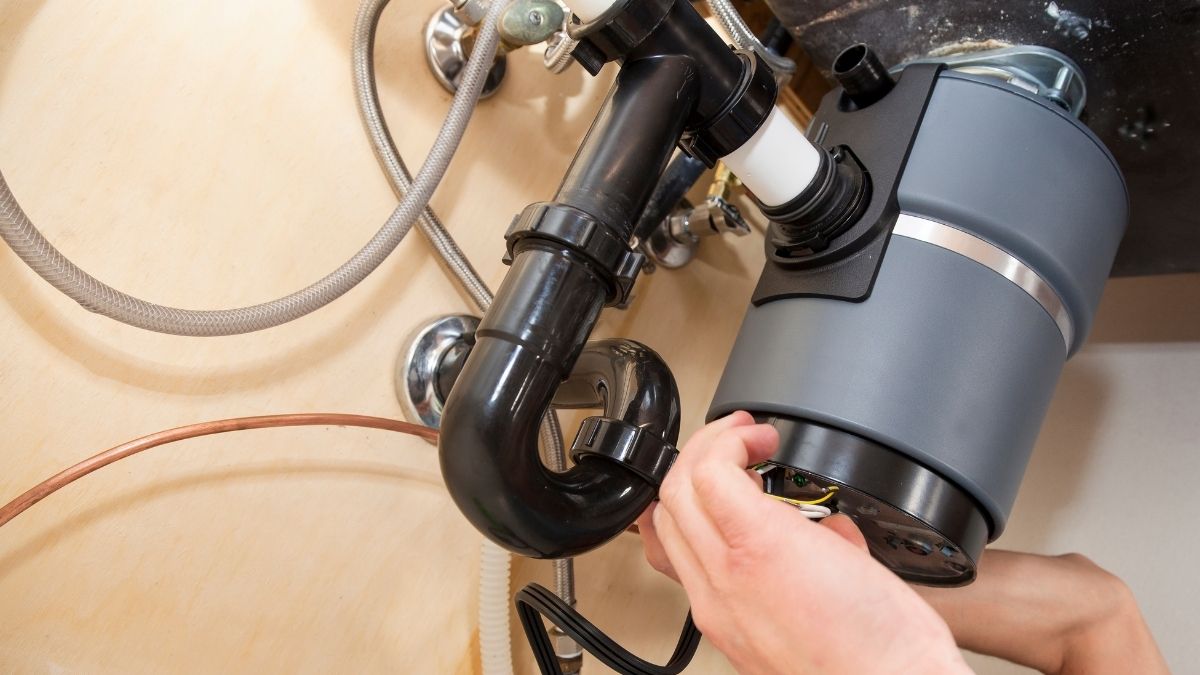
If your disposal is humming but not turning, leaking beneath the sink, repeatedly clogging or no longer operating properly, there may be more going on than a piece of food temporarily stuck inside.
Service Plus Plumbing repairs and replaces garbage disposals for homeowners throughout the Las Vegas Valley.
Having Trouble With Your Garbage Disposal?
Call 702-567-1555 or schedule service online.