Bathtub Overflow Problems: When Does the Cover, Drain or Plumbing Need Attention?
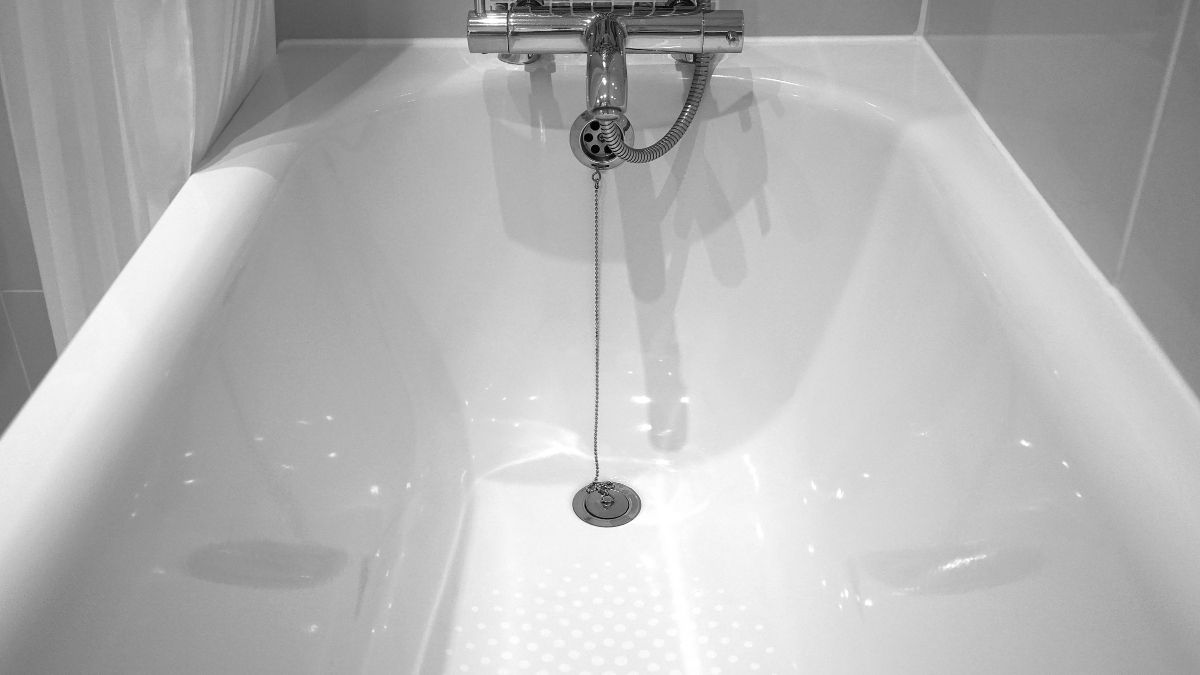
A bathtub overflow is easy to overlook until something goes wrong with it. The small plate beneath the faucet is part of a larger drain assembly designed to help manage water if the tub becomes too full.
Problems with the cover plate, gasket or drain connection can sometimes lead to leaks, loose fittings or water appearing where it shouldn’t.
Understanding what the overflow does can make it easier to recognize when something needs attention.
What Does a Bathtub Overflow Drain Do?
The overflow opening is located near the upper portion of the bathtub and connects to the tub’s drain system.
Its purpose is to provide another path for water if the level in the bathtub rises high enough to reach the opening.
The visible cover plate is only one part of that assembly. Behind it are components that connect the overflow opening to the drain piping.
When Should an Overflow Cover Plate Be Replaced?
A cover plate may need attention if it becomes loose, corroded, damaged or no longer sits correctly against the tub.
In some cases, replacing the plate itself is primarily cosmetic. In others, movement around the plate may indicate that the gasket or components behind it also need to be inspected.
If you’re seeing water around the overflow area, replacing the visible plate alone may not solve the underlying problem.
Why Is Water Leaking Around the Bathtub Overflow?
The overflow assembly typically includes a gasket that helps create a seal between the tub and the plumbing behind it.
Over time, that gasket can deteriorate, shift or stop sealing properly.
Signs of a possible overflow leak can include:
- Water appearing on a ceiling below an upstairs bathtub
- Moisture behind or beside the tub
- Water damage that occurs primarily when the bathtub is filled high
- A loose or damaged overflow plate
- Staining or deterioration around the overflow opening
Because the plumbing is hidden behind the tub, the actual source is not always obvious from the bathroom itself.
Is the Overflow Drain Causing a Slow Bathtub Drain?
Not usually.
A slow bathtub drain is more commonly related to a blockage in the drain line itself. Hair, soap residue and other debris can gradually restrict the flow of water.
The overflow assembly and the main tub drain are connected, however, so problems with the drain system can sometimes appear to involve both.
If a bathtub is draining slowly, backing up or making unusual sounds, it is worth diagnosing the actual cause rather than assuming the overflow plate is responsible.
Can You Replace an Overflow Plate Yourself?
Replacing a simple decorative cover may be straightforward in some situations.
The important question is why it needs replacing.
If the plate is simply old or unattractive, the job may be relatively minor. If you’re replacing it because of leaking, movement, corrosion or water damage, there may be a problem with the gasket, drain assembly or piping behind the tub.
That’s when it makes sense to look beyond the visible cover.
Don’t Ignore Water Around a Bathtub
Small plumbing leaks can cause damage well beyond the fixture where they begin.
If you notice unexplained moisture, staining, soft drywall or water appearing below or around a bathtub, identifying the source early can help prevent a larger repair later.
Service Plus Plumbing can diagnose bathtub leaks, drain problems and other residential plumbing issues throughout the Las Vegas Valley.
Having Trouble With a Bathtub Leak or Drain?
Call 702-567-1555 or schedule service with Service Plus Plumbing.